
Grand Gangster War
WGAME TECHNOLOGYStrategy
4.6629.00 Reviews
- Version
- 1.4.13
- Installs
- 1.00M
- Age Rating
- Teen
Screenshots
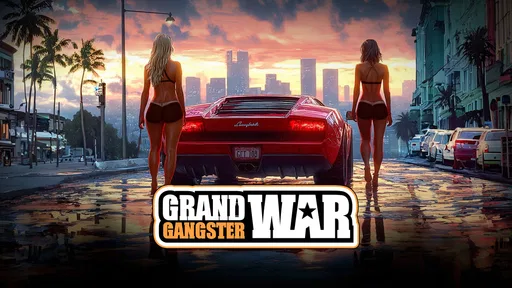
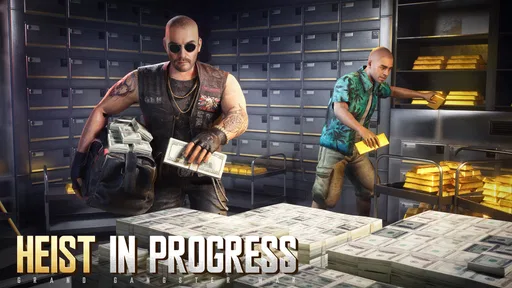
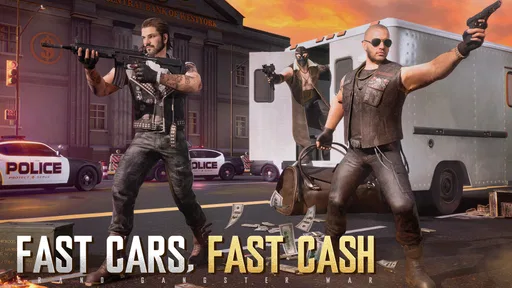
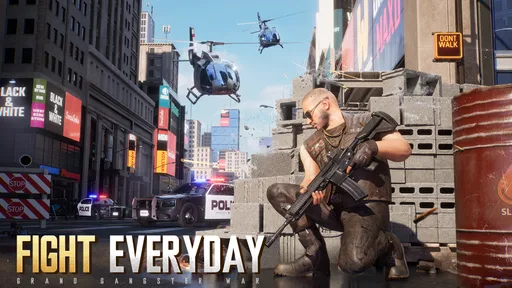
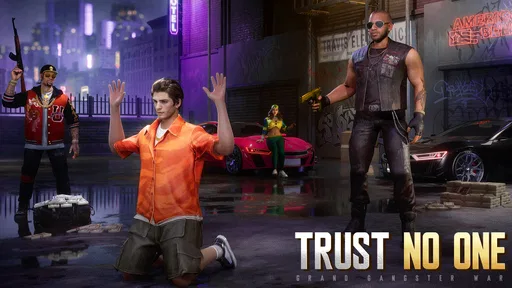


Our Review of Grand Gangster War
 Analysis by Appyee
Grand Gangster War is the kind of strategy game I open when I want something more active than a quick puzzle but less demanding than a long desktop strategy session. Its central appeal is easy to understand: build pressure, make useful alliances, choose when to push, and try to come out ahead in a criminal power struggle. After spending time with it, I found that the most interesting part is not simply winning a fight. It is deciding which fight deserves my attention, which opportunity can wait, and how much risk I can afford before my position becomes difficult to recover.
That makes this a better fit for players who enjoy planning around changing circumstances than for anyone looking for a purely casual tap-through experience. It is a free strategy game from WGAME TECHNOLOGY, aimed at a Teen audience, and it has already passed the one-million-install mark. The store presents it as Grand Gangster War, but my impression is that its real identity comes from the decisions between confrontations: preparation, timing, resource discipline, and reading the situation before committing.
How the game turns gangster conflict into a planning problem
The first useful way to approach Grand Gangster War is to stop treating every available action as equally valuable. In a game built around gang conflict, it is tempting to attack whenever an opponent looks vulnerable. I found that this approach can create short-term excitement while leaving the wider position weaker. A successful move is not automatically a good move if it consumes the resources, time, or flexibility needed for the next challenge.
I preferred to think in layers. The immediate question was whether I could gain something from an action. The more important question was what that action would prevent me from doing afterward. This distinction gives the game more strategic character than the brief store summary suggests. A player who only reacts to the most visible target may win individual exchanges and still lose momentum. A player who keeps a reserve and waits for a better opening can often make fewer moves but get more from them.
That planning style also makes the game approachable. I did not need to understand everything at once to begin making sensible choices. Early sessions are useful for learning what the game expects from me: when to be aggressive, when to improve my position, and when to avoid spending simply because an option is available. The learning curve comes less from memorizing a complicated rulebook and more from recognizing consequences.
Choosing targets instead of chasing every opportunity
One of my most useful habits was to compare targets by outcome rather than appearance. A target that looks easy may offer little lasting value, while a more demanding objective may improve my future options. I also learned to ask whether an attack would leave me exposed to the next problem. That small pause changed the way I played, especially when several possible actions competed for the same limited attention.
This is where the game can reward a patient player. Waiting is not automatically passive. It can be a way to preserve choices until the situation becomes clearer. I would rather keep a strong position and respond to a developing threat than spend everything on a flashy move that solves only the current screen. Players who enjoy comparing possible outcomes should find plenty to think about, even when the individual actions are straightforward.
For a realistic everyday scenario, imagine opening the game during a short break after work. I would not try to force a complete campaign-style session. Instead, I would check the current situation, identify the one decision with the best likely payoff, and stop before making a tired mistake. That approach suits the game better than rushing through several actions just to feel productive. Its strategic value comes from making deliberate choices, not from pressing through a checklist.
Why timing matters more than constant aggression
The gangster theme naturally encourages an aggressive mindset, but constant aggression is not always the strongest plan. I found that timing creates a meaningful trade-off. Acting early may secure an advantage before circumstances change, yet acting too early can mean entering a confrontation without enough preparation. Waiting can improve the odds, but it can also allow another problem to grow.
I liked this tension because it gives ordinary decisions a little weight. There is no universally correct rhythm. A player who always waits may miss valuable openings, while a player who always attacks may run out of options. The better approach is to define what would make an action worthwhile and what warning signs should make me hold back. That turns each session into a series of judgments rather than a simple race toward the next confrontation.
The strongest habit I developed was keeping a reserve for the decision after the decision. In other words, I did not judge an action only by its immediate reward. I considered whether I would still have enough flexibility to respond if the result was less favorable than expected. This is a practical tip that is easy to overlook, and it makes the game feel more controlled without removing its uncertainty.
Risk, reward, and the cost of being overconfident
Grand Gangster War becomes more interesting when I treat risk as something to manage rather than something to avoid. Playing too safely can slow progress and make the game feel flat. Taking every available risk can create dramatic moments, but it also makes setbacks harder to absorb. The most satisfying decisions were the ones where I understood what I stood to gain, what I might lose, and why the gamble was worth taking at that particular moment.
I would not recommend spending valuable resources merely because a reward is visible. Before committing, I tried to consider three things: whether the reward improved my next position, whether the cost weakened my ability to answer a threat, and whether I was acting because of a real opportunity or simple impatience. This process helped me avoid the common strategy-game mistake of confusing activity with progress.
The game also benefits from separating a bad result from a bad decision. Sometimes a sensible choice will produce an inconvenient outcome. That does not necessarily mean the choice was wrong. If the reasoning was sound and the risk was affordable, the experience can still teach me something. On the other hand, a lucky success can hide poor planning. I found it more useful to review why I acted than to judge the move only by its immediate result.
Making setbacks useful instead of repeating them
When a plan failed, I tried to identify the earliest point where the situation became difficult. Was I too aggressive? Did I spend without protecting my next move? Did I focus on the most obvious opponent instead of the most important one? This kind of review is especially valuable in a strategy game because it turns failure into a planning tool.
One practical method is to change only one part of the next attempt. If I alter everything at once, I cannot tell which adjustment helped. I might preserve the same target but change the timing, or keep the timing but save more resources. That makes adaptation clearer and prevents the game from becoming a series of emotional reactions. It is a small discipline, but it gives repeated sessions a sense of purpose.
I also found that the best response to a setback is not always immediate recovery. Sometimes it is better to stabilize first. A damaged position may need a quiet period before another ambitious move becomes sensible. This is one of the game's more useful strategic lessons: recovery is not wasted time when it restores future choices.
Adapting your approach as the game becomes familiar
At first, I played by broad instincts: build strength, look for openings, and avoid obvious danger. With more experience, I began separating different kinds of advantage. A move could improve my current position, protect me from a threat, or create a better opportunity later. Those benefits are not interchangeable, and choosing between them is where the game starts to feel deeper.
That depth is not based on simply adding more actions. It comes from changing the value of an action according to context. The same opportunity may be excellent when I have a reserve and poor when I am already stretched. The same opponent may be worth challenging now or ignoring until the surrounding situation is more favorable. This makes adaptation more important than following a fixed opening strategy.
For new players, I suggest beginning with a conservative learning plan. Observe what each decision changes, avoid spending all available resources at once, and keep notes mentally about which choices created problems later. Once the basic rhythm feels comfortable, start testing more aggressive lines. This teaches the boundaries of the system without turning every early mistake into a frustrating wall.
Who will enjoy the strategic rhythm
I think Grand Gangster War is best for players who like making medium-term plans while still responding to immediate pressure. It should appeal to someone who enjoys asking, “What does this give me later?” rather than only, “Can I win this encounter now?” The gangster setting adds a clear sense of conflict, but the lasting appeal comes from managing priorities inside that conflict.
It is also a reasonable choice for mobile players who want strategy without committing to a long uninterrupted sitting. I could imagine playing it in several short sessions, provided I returned with a clear idea of what I wanted to accomplish. The game works less well if I approach it as background entertainment while distracted. Important choices deserve attention, and careless spending can make the next few decisions less comfortable.
Players who dislike uncertainty, resource pressure, or having to recover from their own mistakes may find it frustrating. It is not the best choice for someone who wants a purely relaxing game with no meaningful consequences. Likewise, anyone searching for a highly narrative gangster experience should keep expectations measured. My enjoyment came from strategic decisions and changing priorities, not from treating it as an interactive crime film.
How it compares with familiar mobile strategy games
Compared with a traditional puzzle game, Grand Gangster War asks for more forward planning and offers less certainty from one move to the next. Compared with a large empire-building strategy game, it feels easier to approach on a phone because the focus is more immediate: choose a direction, manage the consequences, and adapt. That middle ground is its strongest position.
It also differs from games that reward constant upgrading above all else. In those games, the answer is often to improve everything until the numbers are favorable. Here, I found that timing and prioritization matter more than blindly increasing strength. That makes the experience more engaging for me, although it can also feel less forgiving when I make a poor decision.
The trade-off is that players who want a huge world, extensive diplomacy, or a long list of systems may prefer a more expansive strategy title. Grand Gangster War is more appealing when I want conflict to stay central and decisions to remain readable. It does not need to replace a deeper strategy game; it fits better as a more focused alternative for mobile play.
Free access, age suitability, and spending discipline
The game is free to download, which makes it easy to try before deciding whether its style suits me. It carries a Teen content rating, so I would not treat it as a universal choice for young children. The criminal theme and competitive framing are better suited to older players who understand that the setting is stylized entertainment rather than a realistic guide to anything outside the game.
There are in-app purchases ranging from $0.99 to $499.99 per item. That wide range is important for anyone managing a household device or a personal budget. I recommend deciding on a spending limit before playing, rather than making that decision while chasing a difficult objective or trying to recover from a setback. The free entry point is useful, but the presence of expensive individual purchase options means financial discipline matters.
A good personal rule is to judge the game by the quality of decisions I can make without buying anything. If I enjoy the planning loop on that basis, optional spending remains a choice rather than a requirement for discovering whether I like the game. If progress only feels satisfying when I am considering purchases, that is a sign the game may not be the right fit for my habits.
What to expect from the current build
The current version is 1.4.13, and the game supports devices running Android 6.0 or later. I would check those basics before installing, especially on an older phone. Compatibility is not the same as a guarantee of an equally smooth experience on every device, so players with limited storage or aging hardware should leave room for the game and avoid installing it immediately before an important trip or offline period.
Its audience size is encouraging: the game has a 4.6 average from around 26 thousand ratings, alongside more than a million installs. Those figures suggest that the concept has reached a substantial mobile audience, but they should not replace personal testing. A strong average cannot tell me whether the pace, spending model, or risk-and-reward balance matches my preferences.
The developer, WGAME TECHNOLOGY, has positioned the game in the strategy category rather than presenting it as a simple action title. That distinction matches my experience. Even when the theme makes the game look confrontational, the better results usually come from thinking ahead. If I approached it only as a sequence of attacks, I missed much of what made the sessions engaging.
My verdict after weighing the trade-offs
Grand Gangster War succeeds when I play it as a game of decisions under pressure. Its best moments come from choosing whether to commit, preserve options, or wait for a stronger opportunity. The gangster theme gives those choices a clear identity, while the strategy structure keeps the experience from becoming a shallow string of confrontations.
I would recommend it to a friend who enjoys mobile strategy, likes learning from setbacks, and can resist the urge to spend simply to remove friction. I would especially recommend trying a patient approach first: protect a reserve, compare targets by their future value, and review failed plans instead of immediately repeating them. Those habits reveal more of the game's depth than aggressive play alone.
I would skip it if I wanted a story-heavy crime game, a completely consequence-free casual title, or a strategy experience with a very broad simulation layer. The free download makes sampling easy, but the Teen rating and broad purchase range deserve attention before handing the device to a younger player. For me, the final judgment is positive but measured: this is a focused mobile strategy game where timing and planning matter more than simply acting first. If that sounds like the kind of challenge you enjoy, it is worth giving a careful, budget-conscious try.
Verdict
Strengths of Grand Gangster War
- Large open-world map with plenty of areas to explore.
- Simple controls make driving and shooting easy to learn.
- Varied missions provide more than just standard street battles.
- Vehicle selection adds variety to travel and combat.
- Offline play is useful when you have no internet connection.
Limitations of Grand Gangster War
- Frequent ads can interrupt gameplay and slow down progression.
- Graphics look dated compared with newer open-world action games.
- Mission objectives may become repetitive after extended play.
- Touch controls can feel imprecise during fast-paced gunfights.
- Some upgrades and rewards may require significant grinding.
Similar Picks in This Category
View All
Clash of Clans
Supercell4.5

Plants vs. Zombies™
ELECTRONIC ARTS3.7

Lords Mobile: Kingdom Wars
IGG.COM4.5

Clash Royale
Supercell4.4

State.io — Conquer the World
CASUAL AZUR GAMES4.1

Car Driving School : Car Games
Spark Game Studios3.9
Frequently Asked Questions
What is Grand Gangster War about?
Grand Gangster War is an action-focused mobile game centered on criminal rivalries, street battles, missions, and territory control. Players typically build their gang, complete objectives, collect resources, and compete against opposing groups. The game combines combat, progression, and strategy, so it is aimed at users who enjoy gangster-themed gameplay rather than a quiet or casual experience.
Is Grand Gangster War free to download and play?
Grand Gangster War can generally be downloaded without an upfront purchase, but availability and pricing may vary depending on whether you use Android or iOS. As with many free-to-play games, optional in-app purchases may be offered for currency, upgrades, items, or faster progression. Check the store listing and purchase settings before playing, especially if children use the device.
Does Grand Gangster War require an internet connection?
An internet connection may be needed for several important features, including account synchronization, advertisements, online events, updates, rewards, or interactions with other players. Some portions of the game may work offline, but you should not assume that every mission or feature will remain available without connectivity. A stable connection is recommended for the smoothest experience.
Is Grand Gangster War suitable for children?
Grand Gangster War is designed around gangster themes, fighting, crime-related scenarios, and potentially mature action. Because of this content, it may not be appropriate for young children. Parents should review the official age rating, privacy information, advertising practices, and in-app purchase options before installation. Device-level parental controls can also help restrict purchases and playtime.
What should I check before downloading Grand Gangster War?
Before downloading, check whether your phone meets the required operating-system version, storage space, and hardware specifications. It is also worth reviewing the latest user ratings, permissions, privacy policy, and in-app purchase details. Players should expect action gameplay, repeated progression tasks, and possible advertisements or online requirements, so the game may not suit users looking for a completely offline or purchase-free experience.
Play our best games!


